What Are the Four Main Types of Worship in Christianity?
Imagine walking into a church and hearing the solemn sound of an organ, seeing worshippers in formal attire reciting ancient prayers from well-worn books. The next week, you visit another church and find a live band, people in jeans raising their hands in praise. Same faith, completely different experience. This article explores the four main types of worship in Christianity: liturgical, contemporary, charismatic worship, and traditional evangelical worship, and how each shapes the Christian life and helps believers worship God in spirit and truth.
From the religious worship of the Jewish people in the Old Testament to the early Christians of the New Testament, gathering to honour God has always been central to faith. Through the death and resurrection of Jesus Christ, a new covenant was established. Ever since, the body of Christ has gathered in corporate worship and private worship to love God, serve God, and draw near to God’s presence. Whether you’re new to faith or exploring different types of worship, understanding these four traditions can help you find where you most authentically connect with the Lord Jesus Christ.
What Is Christian Worship?
Worship is more than singing songs on Sunday morning. Romans 12:1 describes it as offering our whole lives to God. In the Bible, Christian worship encompasses prayers, scripture reading, teaching, praise, adoration, and thanksgiving, all acts of devotion to God. Corporate worship happens when Christians gather as a church; private worship takes place at home through praying, reading the Bible, and meditation. Both are an important part of what it means to serve God and nurture a personal relationship with the Lord Jesus Christ. Importantly, worship style does not equal worship substance. A church with hymns and an organ can be just as authentic as one with a rock band. What matters is the sincerity of hearts connecting with God’s presence. God speaks through all genuine forms of worship, and the Holy Spirit works in every tradition to draw people closer to Jesus.
1. Liturgical Worship

Liturgical worship is the most structured and traditional form of religious worship, found in the Catholic Church, Anglican, Lutheran, and Orthodox churches. Services follow patterns refined over centuries. Written prayers, responsive readings, and ancient creeds connect other worshippers to the historical church and affirm the core of the Christian faith. The church calendar moves through seasons such as Advent, Lent, and Easter, marking the life, death, and resurrection of Jesus Christ. The Eucharist, where bread and wine symbolise the body and blood of Christ, is the centrepiece, celebrating the new covenant and offering forgiveness of sins. Traditional hymns express praise and adoration to the Lord. Liturgical worship offers rich historical continuity, deep theological roots grounded in God’s nature, and a strong sense of community with the saints who have gone before. Catholic and other liturgical traditions have preserved these forms of worship for centuries, connecting today’s believers to early Christians.
2. Contemporary Worship
Contemporary worship is a modern, informal form of Christian worship common in non-denominational and some protestant churches. A live worship band leads songs that speak of God’s love, God’s presence, and the life and resurrection of Jesus. The atmosphere is casual, with multimedia and lyrics on screens, while sermons focus on practical application for daily life. As a form of non-liturgical worship, it is flexible and accessible; each service can be tailored to speak to where people are in their faith journey. The Holy Spirit is central; God speaks through music, teaching, and community. Contemporary worship excels at helping people form a genuine personal relationship with Jesus Christ, expressing praise and thanksgiving in ways that feel natural and emotionally engaging. It is particularly appealing to those who want their Christian life to feel connected to the world they live in.
3. Charismatic Worship
Charismatic worship emphasises being led by the Holy Spirit, with the expectation of experiencing God’s supernatural presence. Rooted in the New Testament practices of early Christians, charismatic worship services are spontaneous, and worshippers may witness spiritual gifts such as prophecy, speaking in tongues, and healing prayer. The atmosphere is emotionally charged, with praise and adoration expressed through raised hands, dancing, and heartfelt devotion to the Lord. Music is high-energy and often extended beyond traditional service times. Like other non-liturgical worship styles, charismatic worship allows individual expression and responds to the movement of the Spirit in real time. Found in Pentecostal churches, the Assemblies of God, and some Protestant churches, this style draws Christians who desire to serve God with their whole body and spirit and who believe the Holy Spirit is actively working to bring forgiveness, healing, and eternal life to the world through Jesus Christ.
4. Traditional Evangelical Worship
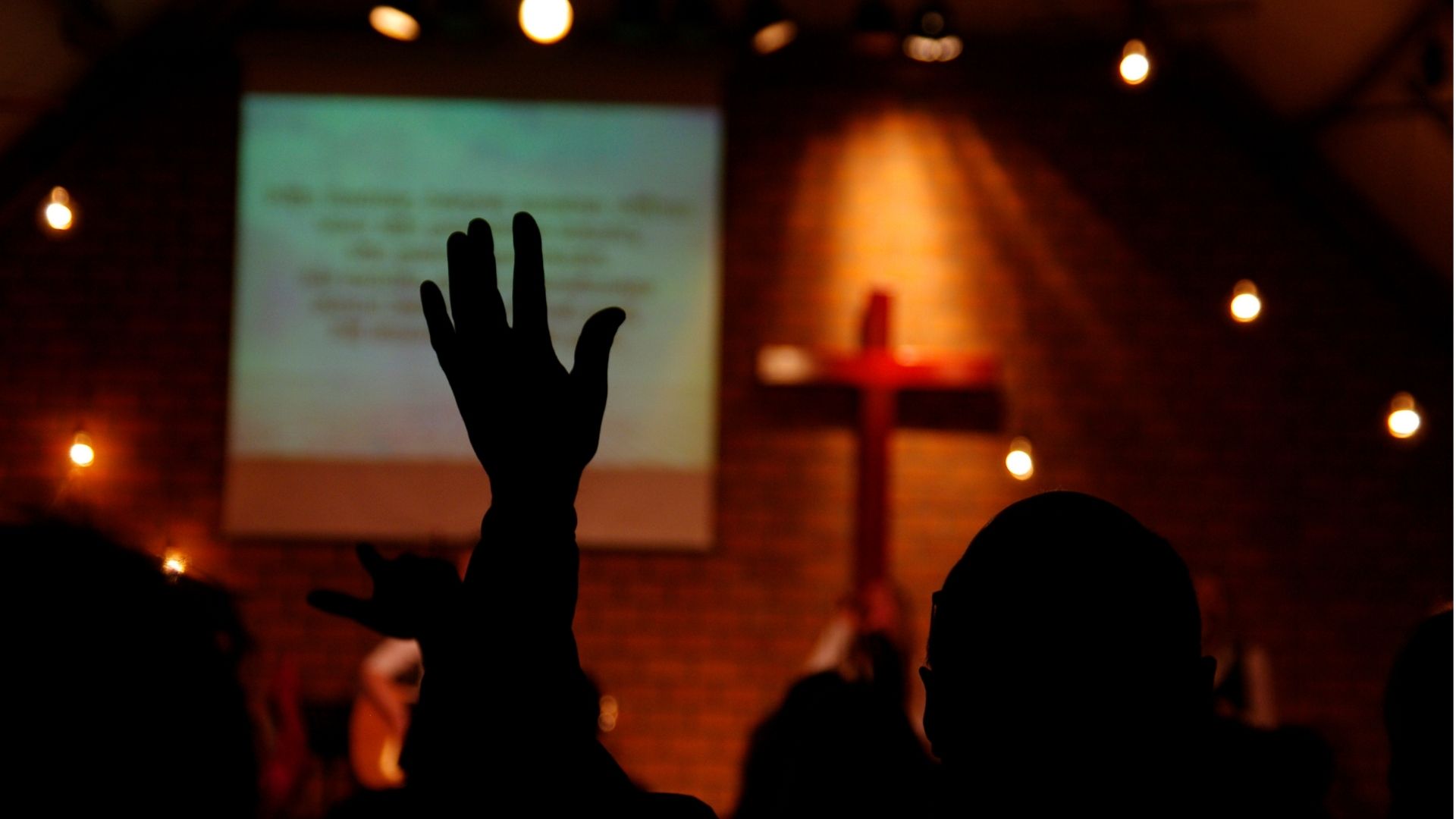
Traditional evangelical worship is built around scripture, public prayer, hymns, and a central sermon, often 40 to 50 minutes of verse-by-verse Bible teaching. God speaks through the word, and the Holy Spirit illuminates it for all who gather to hear it. More formal than contemporary worship but less ritualistic than liturgical, this style places strong emphasis on understanding God’s nature, obeying God’s commands, and the call to serve God through faithful living. Both Old Testament and New Testament scriptures are central to the service. Common in Baptist, Presbyterian, and Reformed protestant churches, traditional evangelical worship offers exceptional biblical depth and doctrinal clarity, especially on sin, forgiveness, the resurrection of Jesus, and eternal life through faith in the Lord Jesus Christ. People drawn to this style often appreciate its theological substance and the balance it strikes between reverence and approachability.
Private Worship and Personal Devotion
Beyond corporate worship, private worship is an essential part of the Christian life. Early Christians practised both public prayer and personal devotion, understanding that faith is lived out daily, not only in formal church settings. Private worship can include praying, reading the Bible, thanksgiving, adoration, and meditation on scripture, simply sitting in God’s presence and listening as God speaks. It is in these quiet, personal moments that many Christians deepen their faith and strengthen their devotion to the Lord. Both corporate worship and private worship together form the full rhythm of a life that seeks to love God and serve God in all things.
Which Worship Style Is Right for You?
God cares about the heart, not the form. In John 4:23-24, Jesus says true worshipers worship God ‘in spirit and truth’ not in a particular style, building, or liturgy. All types of worship, whether in the Catholic Church, protestant churches, or charismatic gatherings, share the same foundation: faith in the Lord Jesus Christ, whose death and resurrection secured forgiveness of sins and eternal life for all who believe. The Holy Spirit works through each tradition, drawing Christians into God’s presence and a deeper relationship with Jesus.
Personal preference matters. If you are contemplative and value tradition, liturgical worship may resonate with you. If you are expressive, charismatic worship may be a good fit. If you are intellectually driven, traditional evangelical worship might appeal. If you value accessibility and modern culture, contemporary worship could suit you well. Give each church a few visits before deciding, and look beyond worship style, consider community, biblical teaching, and opportunities to serve God and others. Trust the Holy Spirit to guide you. Your worship journey is uniquely yours. Embrace it, explore it, and know that the Lord Jesus Christ welcomes all who come to Him in faith, praise, and love.
Experience Worship at C3 Powerhouse Melbourne East

If you are on a journey to discover the type of worship that resonates with you, we would love to welcome you to C3 Powerhouse Melbourne East. We are a vibrant, contemporary church community that embraces heartfelt Christian worship with openness to the Holy Spirit. Whether you are exploring faith for the first time or looking for a church home, there is a place for you here.
Our services feature live contemporary worship music, practical Bible teaching, and a genuinely welcoming community of people pursuing God together. We believe church should be a place where you encounter God’s presence, experience His love, and are inspired to serve God and others throughout the week. Come as you are and see for yourself. We look forward to worshipping with you.